October 4, 2026.

Halloween-2026!
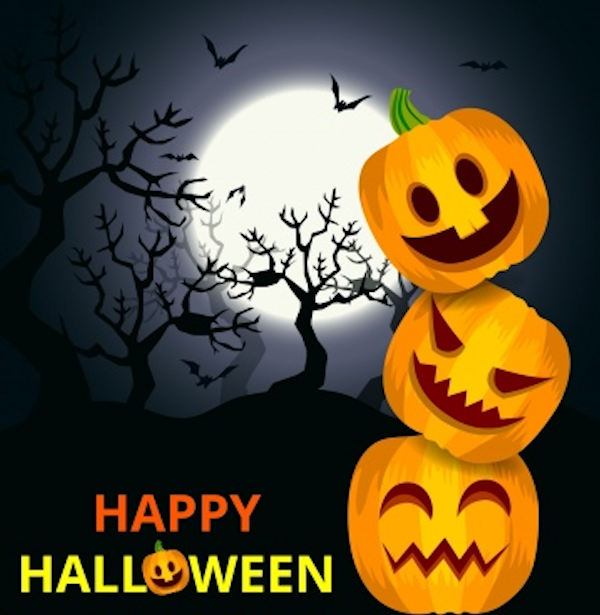
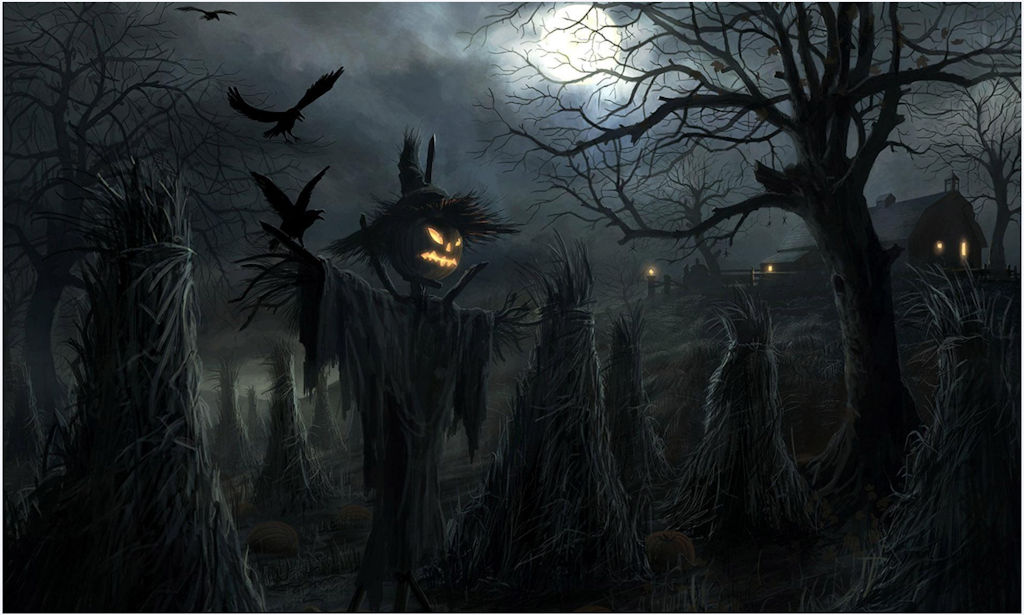
Halloween will be observed this year on Saturday, October 31, 2026. I saw the following article and was quite amused as was not aware of the "Pumpkin Tradition". I had heard that originally, the "Turnip" was used before the pumpkin for carving and such. Anyway, from the website "Parade". Enjoy.
How did the Halloween pumpkin start?
The tradition of carving jack-o'-lanterns for Halloween began in Ireland hundreds of years ago thanks to an old folktale about a man called Stingy Jack. According to legend, Jack played a trick on the Devil by convincing him to transform into a coin that he could use to pay for his drink, according to History.
But then Jack decided to keep the coin instead, storing it in his pocket next to a silver cross that the Devil could not change back into his true form. Jack played more tricks on the Devil throughout his life and when Jack died, both God and the Devil were upset with him and he was not allowed into Heaven or Hell. Instead, the Devil gave him a burning coal and sent him away.
As the folktale goes, Jack placed the burning coal inside a carved-out turnip and has been roaming the world with it ever since, according to History. He became known as "Jack of the Lantern" and eventually "Jack-o'-lantern."
People in Ireland used to place lights inside turnips or potatoes as a reference to this legend. When Irish immigrants came to America, they began using pumpkins instead-and pumpkins have been associated with ghosts and Halloween ever since.
Enjoy your Halloween holiday. Be safe and watch out for the kiddies.
Green River.
I have just recently updated the "The Turning Bridge" section of the "Railroads" pages in the Rockport/Echols Web Site. Click on the following link to be taken to the "Turning Bridge" page:
Wishing you the best for the rest of the year of 2026..
see you.....
jerry